 Skip to content
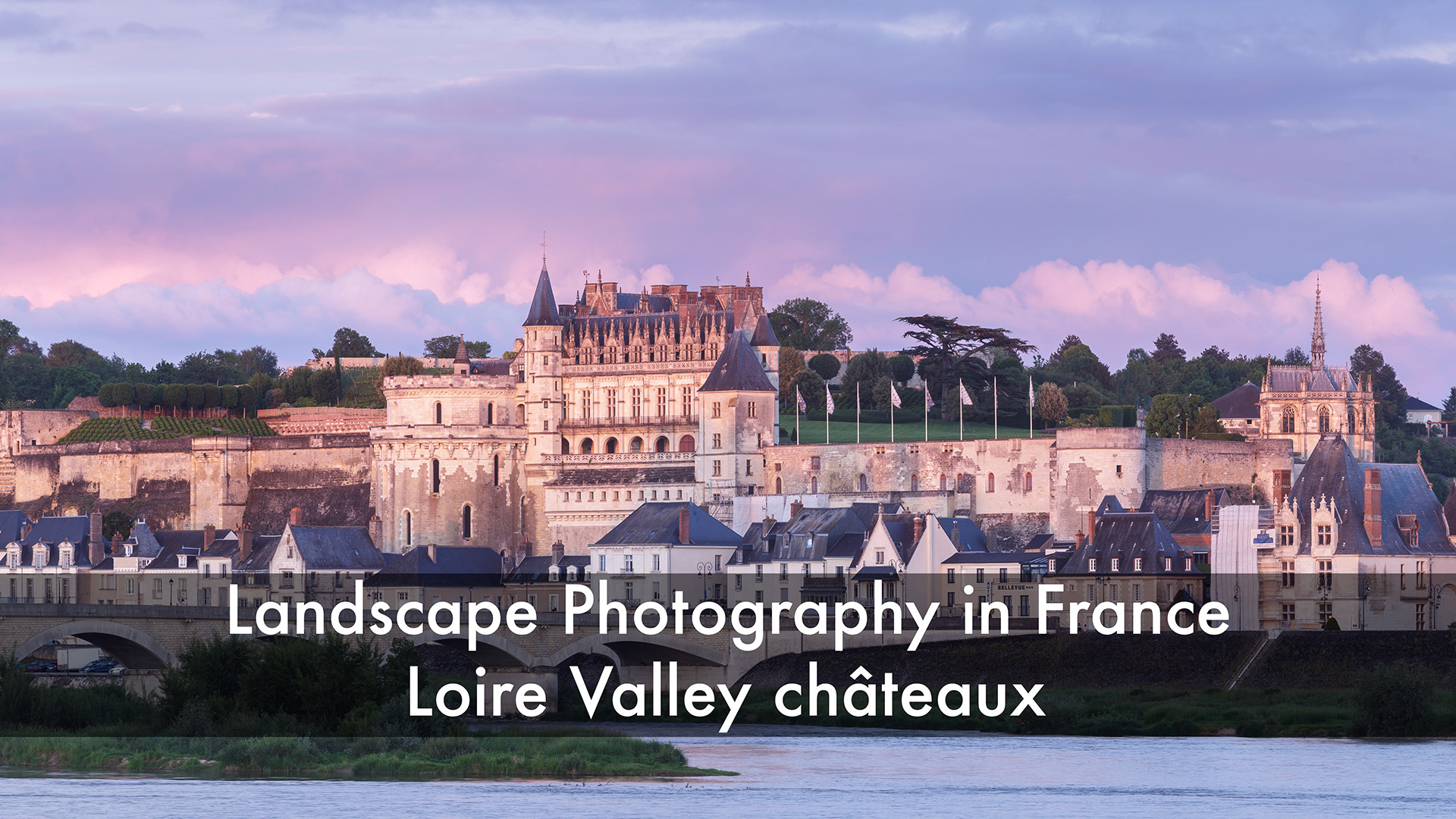

The Loire Valley châteaux is my latest YouTube vlog detailing some of my exploits as I travel to various parts of the world.
On the 17th and 20th May 2017, I went to two of the most well-known châteaux in the Loire Valley as well as the small village of Chédigny.
The Château de Chenonceau is known for straddling the river Cher and for such historical figures as Catherine de Medici and Diane de Poitiers. During the 1st World War, it was used as a hospital and during the 2nd World War was the border between free and occupied France.
Chédigny is known for its rose festival each year at the end of May. I went too early in the day, but you get a small flavour of what is there.
And finally, the Château d’Amboise is known as being the final resting place of Leonardo da Vinci in its chapel.
This vlog is shorter than I would have liked, but just lately my time has been quite hectic.
Life had been busy, and that showed in the way I was filming. I simply didn’t have the time to make a longer vlog, which is why the episode was shorter and a bit more direct than usual. That happens sometimes. Life goes on, and when it does, I try to make the most of whatever time and weather I have.
A few recent plans had already gone off track. I was meant to head to Burgundy, but the rain made the whole thing hard to justify. I didn’t fancy driving two and a half hours only to arrive in wall-to-wall rain and spend the day trying to force pictures that weren’t there.
The week after that, I was in the Dolomites with another photographer. We had one superb day, with dramatic conditions and beautiful light, but the rest of the trip fell apart under poor weather. Because of that, we left and went down to Tuscany instead.
That trip wasn’t wasted, though. We were there because we were working on future Photography Tours & Workshops, with plans around Provence, Tuscany, and possibly the Dolomites as well. At that stage, not everything was confirmed, so I didn’t want to say too much, but it was exciting to see those ideas starting to take shape.
With all that going on, the Loire Valley became one of those trips where I had to stay focused. There wasn’t much room for dithering. I needed to arrive, read the light quickly, and come away with photographs that felt worth the effort.
That started early in the morning at one of the most recognisable chateaux in France.
When I arrived at Chateau de Chenonceau, I already had one image in the bag, and that always changes the mood of a shoot. Once I know I’ve got something usable, I can slow down and look for refinements instead of chasing a result.
Chenonceau is such a striking subject because it spans the River Cher. It isn’t only elegant, it has weight and history as well. It’s linked with figures such as Catherine de Medici and Diane de Poitiers, and its place over the river gave it a remarkable role in both world wars. All of that sits in the background when I photograph it, even if what matters most in the moment is light, water, and shape.
I was on the far side of the chateau, looking back towards the facade that catches the early sun. Around mid-May, the sunrise lines up beautifully down the river, and the light reaches the side of the building in a way that makes the stone glow. This morning, there was a bank of cloud on the horizon, so the sun didn’t appear cleanly at first. Even so, I caught the moment when the facade lit up, and that was the frame I had come for.
Around mid-May, sunrise at Chenonceau can light the facade straight down the river, and that short window is worth planning for.
One of the useful things about this viewpoint is access. The path beside the river lets me photograph the chateau without needing to go into the grounds, and I can be there as early as I like. For photographers, that matters. I don’t have to wait for opening hours, and I can work in peace while the light is still low.
I kept the setup simple and steady. I was using my Canon 6D with the Canon 24mm TS-E Mark II, and I stayed with the tilt-shift because it helped me keep the verticals straight. With architecture like this, that control makes a real difference.
I also had the camera placed quite precariously near the river’s edge, so I wasn’t keen to bring my GoPro too close and risk knocking anything in. A body and a lens going into the water is one of those disasters that stays with you for a long time.
For the exposure itself, I used a neutral density filter and worked at about 2.5 seconds. That gave the water a softer surface and made the reflection cleaner. I also used a polariser to bring out some blue in the sky, because although the best colour had already faded, there was still enough there to help the scene. As usual, I shot more than one frame with the plan to make an exposure blend later if needed.
Composition is the part that fights back here. The riverside path can creep into the frame if I’m not careful, and the overhanging trees are awkward as well. There isn’t a perfect fix for either. I simply have to shift the framing, hold the camera position carefully, and accept that this view needs a bit of patience.
Still, Chenonceau rewards the effort. Even with those annoyances, it is absolutely possible to come away with strong images from the riverbank, especially when the sunrise catches the building and the water begins to settle.
After finishing at Chenonceau, I moved on to Chedigny, a village in central France that is known for its rose festival at the end of May. If Chenonceau is grand and formal, Chedigny feels intimate. It is the sort of place that asks me to slow down and notice details rather than chase a big scene.
The main street is the heart of it. When the roses are out, the smell carries through the village, and that alone changes the experience of walking there. Even though I was a little early in the day, I still got a clear sense of what makes the place special.
What I heard locally was that the village had grown tired of looking drab. Money was found, the power lines were buried, and roses were planted throughout the streets. Several gardeners take care of them, and the result is more than decorative. The roses climb over facades, trail around windows, and soften the old stone without hiding it.
That makes Chedigny a lovely subject for photography, but it also creates a small technical problem. The pale stone in the Loire Valley can become harsh under strong sun. Too much direct light and the walls start to glare, which is never helpful if I want texture and colour to hold together. On the house I filmed, the sun was in the wrong place for a more sculpted look, yet I didn’t mind. The flatter light brought out the details in the stone and let the roses speak for themselves.
What I liked most was the balance. The village isn’t trying too hard. It still feels lived in, still feels old, and still feels French in that relaxed way small places often do. The roses don’t turn it into a stage set. They simply lift it.
For anyone with a camera, Chedigny works best when I treat it as a quiet walk rather than a checklist. I look for a doorway with climbing blooms, a pale wall catching soft light, or a window framed by leaves and petals. Those small scenes suit the village far better than anything rushed.
By evening, I was at Amboise, and the mood changed again. Here, the subject isn’t a village detail or a sunrise facade, but a broad riverside view with the chateau sitting above the Loire.
Earlier in the evening, I had been in town itself, photographing the chateau across the river as the setting sun lit it from the side. There had been wind during the day, but it dropped enough for the water to calm, which meant I could pick up a much cleaner reflection than I first expected. When that happens, the scene settles into itself. The building, the light, and the river stop arguing and start working together.
For that reflection shot, I used my Canon 17-40mm. The wider view made sense because I wanted the relationship between the chateau and the river, not only the building on its own. I also used my 1.4x extender with the 24mm lens for a panorama, which gave me another way to stretch the scene and hold onto the atmosphere of the place.
Later, I moved outside the centre to another viewpoint by the roadside. From there, I could shoot across towards Amboise with a longer lens and isolate the chateau more tightly. That setup was my Canon 6D with the 70-200mm f/4 L, and it suited the more distant, compressed look far better.
Amboise carries its own layer of history as well. The chateau is known as the resting place of Leonardo da Vinci in its chapel, although, as I mentioned in the vlog, there is still some uncertainty over whether the remains are definitely his. It is one of those stories that becomes part of local memory, whether or not every detail is settled.
What mattered to me photographically was the contrast between the two viewpoints. From the town, I had reflection and warmth. From the roadside, I had shape and separation. Together they gave me a fuller sense of the place than either one would on its own.
This day in the Loire Valley wasn’t about using one lens for everything. It was about picking the right tool for each subject and staying flexible as the light changed.
The core kit I used included:
Each piece had a clear role. The tilt-shift helped keep the architecture straight at Chenonceau. The neutral density filter slowed the shutter enough to soften the water. The wider lens worked best for the reflection at Amboise, while the longer lens let me pull the chateau out from the wider scene when I moved farther away.
The bigger point, though, wasn’t the gear itself. It was the method. I kept returning to the same basics: arrive early, watch the light, simplify the frame, and adapt when the weather refuses to cooperate. That approach matters far more than chasing complexity.
There is also something reassuring about a day like this. Even when travel plans keep shifting, and even when the weather has already wrecked earlier ideas, a focused session in the right place can still produce good work. The Loire Valley is generous in that way. It offers scale, history, texture, and water, all within a short run of locations.
This was a short vlog and a busy stretch of travel, but it still gave me what I wanted most, a few strong images from places that deserved the time.
What stays with me is the variety. Chenonceau gave me precise morning light, Chedigny offered softness and detail, and Amboise closed the day with reflection and distance. For me, that is the pleasure of photographing the Loire Valley. It keeps shifting tone without ever losing its sense of place.
I was also hoping to film again soon in the Sologne area, so there was more to come after this. Even on a tighter schedule, France has a way of giving me another reason to head back out with the camera.
We noticed you're visiting from United Kingdom (UK). We've updated our prices to Pound sterling for your shopping convenience. Use Euro instead. Dismiss