 Skip to content
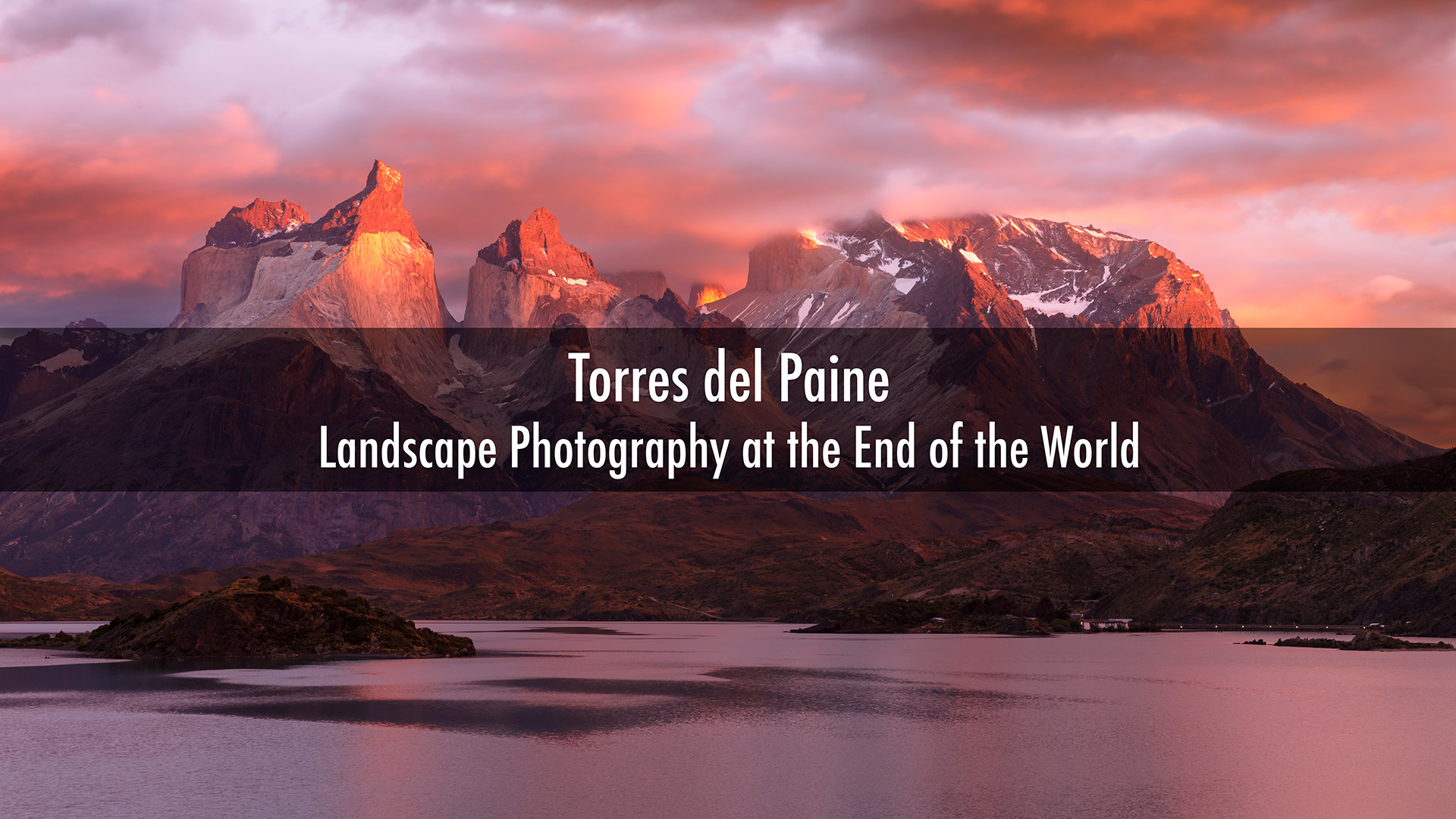

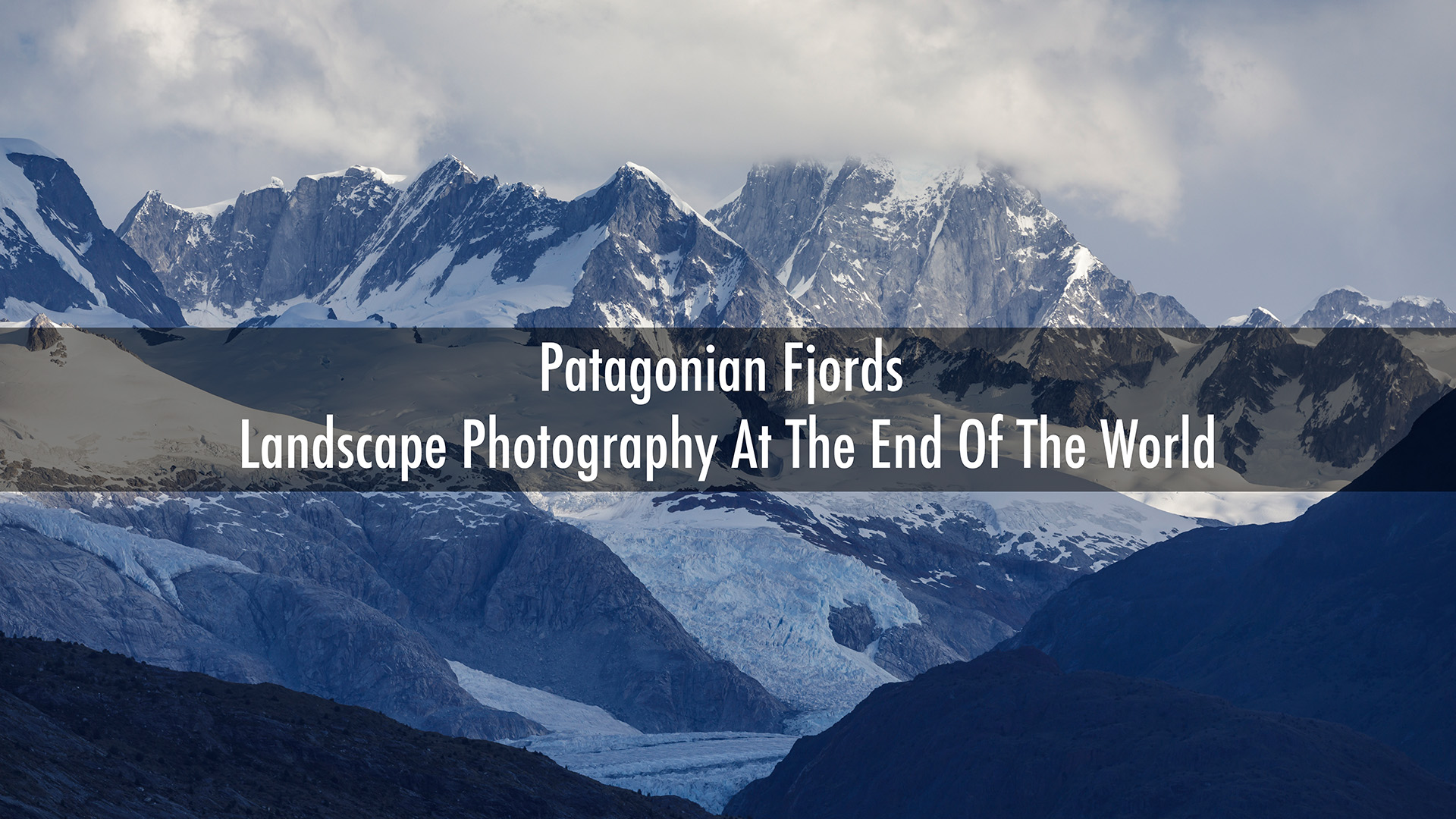
Torres del Paine Landscape Photography at the End of the World gives you a little of my journey to this beautiful national park in southern Chile.
Now, just to make you aware of some things. If you go to the national park, you MUST NOT use drones. They are forbidden, and you could be banned from the park for life if you use them.
To say that it is an extraordinary place to visit would be an understatement. It is stunning here and everything you would imagine.
My YouTube channel is dedicated to all things landscape and travel photography so if that’s your thing, then I’d love to have you come along for the ride.
And if you’re interested, I offer photography tours and workshops in a variety of destinations around the world. If you’re interested in learning more from me to help you get the best out of your photography, then get in touch.
I began the trip with Franco, a Chilean guide who was working in the park and staying at Hotel Las Torres. The hotel is in a central spot within the park, which made those early starts possible, and it also offered a strong range of activities and excursions. That mattered because I wasn’t here to sit around and admire the view from a distance. I needed to work.
The first alarm came painfully early. We were up at 4.00 am and left the hotel at about 4.25 am for a four-hour hike. By the time we reached the viewpoint, the lack of sleep had caught up with both of us. We looked tired because we were tired, but that hardly mattered once the mountains opened up in front of us.
Torres del Paine is often known for the Cuernos, or the horns, but that morning I was there for the famous towers, Las Torres del Paine. Standing up there, hearing people all around me, watching the light change by the minute, I had that familiar feeling I get in great mountain locations: a mix of excitement, pressure, and gratitude that I made it in time.
A quick note for anyone planning a visit: Drones are not allowed in the park. The rule is clear, and breaking it can get you banned for life. In a place like this, that seems a fair trade for protecting the experience and the wildlife.
Here are the basics from that first push into the park:
By the time I reached the viewpoint, the scene felt almost unreal. The towers stood above the lake with that sheer, blunt force that only certain mountain shapes have. Even after a long climb, there was no easing into it. The view demanded your full attention straight away.
I stayed up there for around an hour and a half. Part of that was simple enjoyment, but most of it came down to patience. There were plenty of people around, and when you’re photographing a place this well-known, patience matters as much as timing. I was there on commission, so I wasn’t only reacting to the moment. I had to come back with pictures that worked.
My camera was set up with a Canon 16-35mm F2.8 L Mark III on the front, and I was using the bay as foreground interest, with the towers rising behind it. That kind of composition is classic for a reason. The foreground gives the eye a way into the frame, and then the peaks do the rest.
What struck me most was the scale. Photographs flatten places like this unless you work hard to hold onto depth. The water, the distance to the cliffs, the sheer height of the towers, all of it had to be balanced inside one frame. That challenge is part of what makes Torres del Paine so good for photography. It gives you grandeur, but it also asks you to organise it.
A few things shaped that shoot:
On the way back down, I had already noticed a few other subjects worth time, including a waterfall and some woodland. There was also more to come later in the trip, including glacier scenery, so that first morning felt like an opening chapter rather than the whole story.
The second day began with one of those scenes people travel across the world to see. Behind me was the view that many visitors picture when they think of Torres del Paine, the broad mountain range, the open sweep of land, and that vast Patagonian sky. At first glance, it looked grey, even dull, but that wasn’t the full story.
An hour earlier, it had been completely different. The light had flared across the range in a way that felt brief and almost unfair, because those moments never last as long as you want them to. I pulled out the GoPro to show the contrast, because without that comparison, it would have been hard to explain just how good it had been. The mountains had gone from muted to glowing, then back again.
I shot a panorama of the range because the width of the scene required it. Some locations fit neatly into one frame. This wasn’t one of them. The scale needed more space, and stitching frames together later felt like the right approach.
That morning I was out with Marcelo, another guide from the hotel, who had been helping sort my excursions. He understood straight away what the conditions had given us.
“We had a perfect early morning today. We had a great view here in the mountains in Torres del Paine National Park. We couldn’t have had it any better.”
Comments like that mean more when they come from someone who sees the park every day. Better still, there was another photographer nearby who had apparently been waiting five days for that same view. Hearing that sharpened the whole experience. It reminded me that luck, timing, and persistence all meet in the same frame out here.
There was even talk of pumas later on. Nothing was certain, but that’s Patagonia. You keep moving, keep watching, and stay ready for the next turn in the day.
I didn’t film much during the middle of the day because I was busy moving between locations and taking pictures. Sometimes that happens on a trip like this. The best hours disappear into the work, and by the time you look up, you’ve walked further than planned and filled more cards than expected.
Later, I returned to the place where I had started that morning. A few other people were there, and I ended up chatting with photographers and travellers from Austria and Germany. I always enjoy those small conversations in the field. Everyone is watching the same weather, but everyone sees something slightly different.
Then the sky began to turn. It was one of those evenings where the clouds suddenly take on huge shape and colour, what I called a nuclear sky at the time, because it felt explosive above the mountains. When that happens, you stop overthinking and start responding.
I had been filming something quickly for Instagram Stories, and the scene worked well in portrait format too. That changed how I approached the shot. Rather than staying fixed in one way of seeing the scene, I made one image here, another there, and knew I would need to blend frames later. That’s often how good mountain photography works. The conditions move too fast to be precious about one perfect composition.
The result looked massive. There are moments when you know, even before opening the files on a larger screen, that a frame has landed. This felt like one of them. If you want to see more of the kind of work and travel that comes out of trips like this, I share plenty of it on Instagram.
The final morning came with that familiar mix of urgency and reluctance. I only had about 1 hour 45 minutes before I needed to be back at the hotel and on my transfer down to Punta Arenas. That isn’t much time in a place like this, especially when the sky starts doing something special again.
I was back out with Franco, and we were working fast. The location was the Blue Lagoon, a calm patch of water with the mountains beyond and dramatic cloud building above. There was no time to wander endlessly or wait for a second chance. I had to look at the scene, strip it down, and decide what mattered.
That kind of pressure can be useful. It forces simple decisions. What’s in the frame, what doesn’t help, where’s the strongest angle, and how many versions can I make before I have to leave? I made my main shot, then pushed for a couple more because the sky kept shifting and the light wasn’t done yet.
For rushed photography, my thinking was simple:
The Blue Lagoon gave me a final set of images that felt like a proper ending. I was short on time, but the place still gave me enough to go away satisfied.
Trips like this don’t come together on scenery alone. They depend on people who understand what a photographer needs, especially when the schedule is tight, and the weather decides everything.
I was grateful to Hotel Las Torres for putting me up and helping organise the stay. I pushed hard because I needed to get the best out of the location, and the team handled that well. Franco helped me through a big part of the trip, Marcelo worked with me on excursions, and Valentina helped arrange things back at the hotel. That kind of support matters more than many people realise.
Sernatur, the Chilean tourism board, also supported the trip, and I appreciated that. When you’re trying to produce work that does justice to a place like Patagonia, good local help changes what is possible.
One of the strongest takeaways from the trip was this: making photographs that inspire people to come to Patagonia takes effort behind the scenes. The final image looks calm. The process rarely is.
I didn’t need a huge speech about gear once I was out there, but a few pieces mattered every day. The wide-angle lens did most of the heavy lifting because the scale of Torres del Paine asks for width. I also relied on a steady tripod, because low light, changing conditions, and careful compositions all demand stability.
The core kit included:
That setup made sense for the kind of work I was doing: wide views, stitched panoramas, and compositions where placement mattered more than speed. The GoPro also helped document how quickly the weather changed, especially on those mornings when a scene looked ordinary one minute and astonishing the next.
What stays with me most from Torres del Paine isn’t one single photo. It’s the full rhythm of the trip, the 4.00 am start, the four-hour climb, the waiting, the quick decisions, the pressure of changing light, and the people who helped make it work.
Chile gave me the kind of Patagonia experience I hoped for: hard-earned views, unstable weather, and moments of real beauty that never felt staged. That’s why the park means so much to photographers. You don’t simply arrive and collect pictures. You work for them, and that is exactly what makes them worth having.
We noticed you're visiting from United Kingdom (UK). We've updated our prices to Pound sterling for your shopping convenience. Use Euro instead. Dismiss