 Skip to content
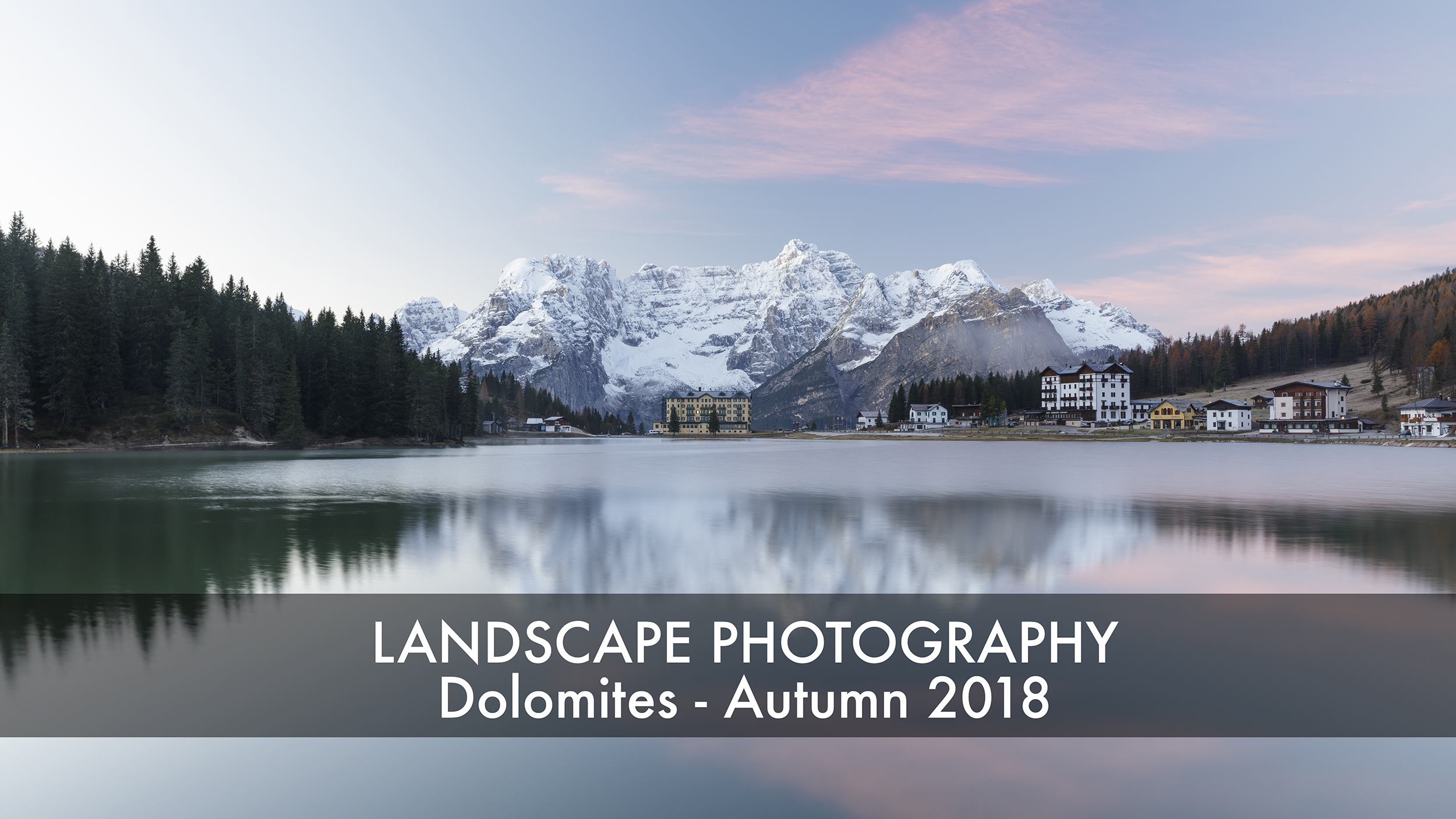

From the 5th to 13th September 2018, I saw myself back in the Dolomites. Yes, for the 5th time, I was photographing this mountainous area of northern Italy. Why? Because from the 19th to the 26th of October 2019, I’ll be running a photography workshop there, and I want to make sure that all the groundwork is done.
The Dolomites are known for being a very photogenic area of Italy, and they didn’t disappoint this year, despite the weather not being so kind this time around.
My trip was split over two different areas, and this YouTube vlog represents the first part, which saw me based in Brunico and taking in the area around Cortina. And if, after watching this, you’re interested in the photography tour next year, then do get in touch as the finishing touches are being made and it will likely be announced before the year-end.
I went back to the Dolomites in early September 2018 because I wanted more than another set of photographs. I needed to know the area better, especially with a photography workshop planned for October the following year. If I were going to bring people here, I wanted that groundwork done properly.
The first part of the trip had me based near Brunico, with plans to move on to Ortisei later. That split gave me time to work the area around Cortina and some of the lakes and passes I already knew, whilst also exploring roads and viewpoints I had never had time to visit before.
I was careful about how much I revealed on location. That was deliberate. When I run a photo workshop, part of the value is the time I have already spent finding the angles, learning the light, and working out what is worth the drive and what isn’t. I don’t mind sharing the experience, but I also want the people who join me to get something special from it.
If you’re interested in the kind of trips I run, you can see my Dolomites photo workshops alongside other tours on my site. That side of the trip sat in the background all week. I wasn’t only photographing for myself, I was also trying to understand the area in a way that would help other photographers later.
The biggest story of the trip was the weather. It rained for much of the day when I arrived, and the roads showed the strain. Storms had pushed through the area, and there were fallen trees all over the place. At one point, I had to stop because a tree had come down right across the road.
I could hear chainsaws before I saw the full problem. The road was blocked, traffic was building behind me, and there wasn’t much to do except wait. The crew cleared the tree in about ten minutes, which was quick, but it reminded me how exposed mountain travel can feel after heavy rain.
What struck me most was how recent it all looked. The tree had not been lying there for long, and that brought home how lucky I had been. In weather like that, you don’t need much imagination to realise how dangerous the drive can become.
Even once the road opened again, the conditions still shaped every decision. I wanted to get a drone above one of the winding roads nearby, but the rain kept coming and going. Sending a drone up in wet conditions was never going to be sensible, so I had to keep waiting and keep watching the sky.
The rain also changed how familiar places looked. Water was pouring down the waterfalls, and the sound alone told the story. Everything in the mountains felt fuller, heavier, and less predictable than usual.
At the same time, the temperature had started to drop. Snow had arrived on the higher ground, and that changed the feel of the trip in a good way. I prefer these mountains with a dusting of snow. Bare rock can still be dramatic, but a touch of winter gives the peaks more shape and presence.
Bad weather can ruin access, but it can also improve the mountains. The hard part is staying long enough to catch the change.
For all the frustration, the trip kept offering small openings. A break in the rain, a patch of moving cloud, or a shaft of sunlight was often enough to turn a wasted drive into a frame worth keeping.
One such moment came when I rounded a corner on my way back towards Brunico and found a scene that seemed made for a time-lapse. The cloud was moving well, the wind had enough force to shift the shapes across the background, and the light still held together. I set the camera to shoot every two seconds because that was enough to show movement without making the whole thing feel frantic. A longer gap would have pushed the cloud too far between frames.
That sort of decision matters more than people often think. Time-lapse isn’t only about recording movement, it’s about choosing the pace that matches the scene. Too slow, and it feels dead. Too fast, and it looks chaotic.
I was still hoping for an aerial view of the snaking roads as well. The weather kept fighting that idea, but the stop-start nature of the rain meant I could keep trying. Those little windows were often all I had, and during a trip like this, I had to stay ready for them.
The next morning paid me back for the effort. I almost stayed in bed. I was tired, the previous day had been long, and I wasn’t convinced dawn would produce much. Still, I got up, headed out, and returned to Lago di Braies.
It was superb.
The lake was far more flooded than I had ever seen it, and I had been there five times by then. Water had crept right up towards the path, which made some of the usual compositions hard or impossible. Even the classic boat images were awkward because access was so limited. Near the entrance, there was even a sunken boat, which said everything about how high the water had risen.
That sort of flooding changes a famous location in an instant. You arrive with a mental picture of what should be possible, then the place asks you to work differently. I ended up balancing in less-than-ideal positions to get the frames I wanted, but it was worth it. The light kept improving, and I came away with three or four photographs that I felt good about.
What pleased me most was that the conditions forced me away from the usual postcard version of the lake. The floodwater added tension, and the morning light gave the whole place a softer, more unusual feel.
After that session, I switched into exploration mode. Because I had more time than on earlier trips, I drove up a road I had known about for a while but never properly explored. That extra time changed the whole feel of the week. Instead of running from one known viewpoint to the next, I could stop, look around, and send the drone up when the view worked better from above than it did from ground level.
That became a recurring theme. In some places, the foreground at ground level wasn’t helping the composition at all. From the air, the shapes of the land made much more sense. The drone gave me another way to work the scene rather than forcing a poor frame from eye level.
One of the strongest moments of the trip came outside Cortina. I was on my way up to a pass when I noticed a view that was about to catch the sun. The light was coming in from the side, the autumn colour in the trees had come alive, and the mountains behind it gave the whole scene real depth.
I had photographed that area before, but the missing ingredient on the earlier visit was cloud. This time I had it. That made all the difference. The scene felt more layered, more balanced, and more like the photograph I had hoped to make there in the first place.
I used the drone there as well, which opened up a completely different angle on the colour and the wider setting around Cortina. Patience helped too. I made one set of images, waited as the sun strengthened, and then went back over the same ground to improve them. That second pass was worth it.
I also mentioned one of the practical tools I was using at the time, PolarPro graduated filters on the drone. They helped balance the brighter sky with the darker foreground, which matters a lot when you’re working with strong mountain light. Without that, I would often need to blend exposures later.
Later, at Lago di Misurina, I found myself wrestling with a problem that every photographer knows. The place was lovely. Snow sat on the mountain behind the lake; the water was close to still, and most people would have called the scene perfect.
For me, it still wasn’t enough.
I wanted more mood. I wanted cloud, atmosphere, some kind of tension in the frame. Instead, after a 4.30 am start and a drive of roughly an hour and a half, I arrived to find the sky clearing again. That had happened on earlier visits too, and I could feel the frustration building because I knew I was making a decent photograph, not the one I had come for.
That gap matters when photography is also how I make a living. If I travel, spend money, and put the hours in, I need to come back with work that satisfies me creatively and can stand up as part of my portfolio.
I considered sending the drone out over the lake, but I rarely enjoy flying over water. If anything goes wrong, the cost of losing it is too high. So I stayed on the shore, kept working, and accepted that the image in front of me was not quite the image in my head.
A beautiful scene and a satisfying photograph are not always the same thing.
This trip also marked a few changes in my kit. I had moved to the Canon 5D Mark IV, replacing my older 5D Mark II. For the way I work, that camera felt like a solid step forward and suited the kind of travel and outdoor photography I was doing in the Dolomites.
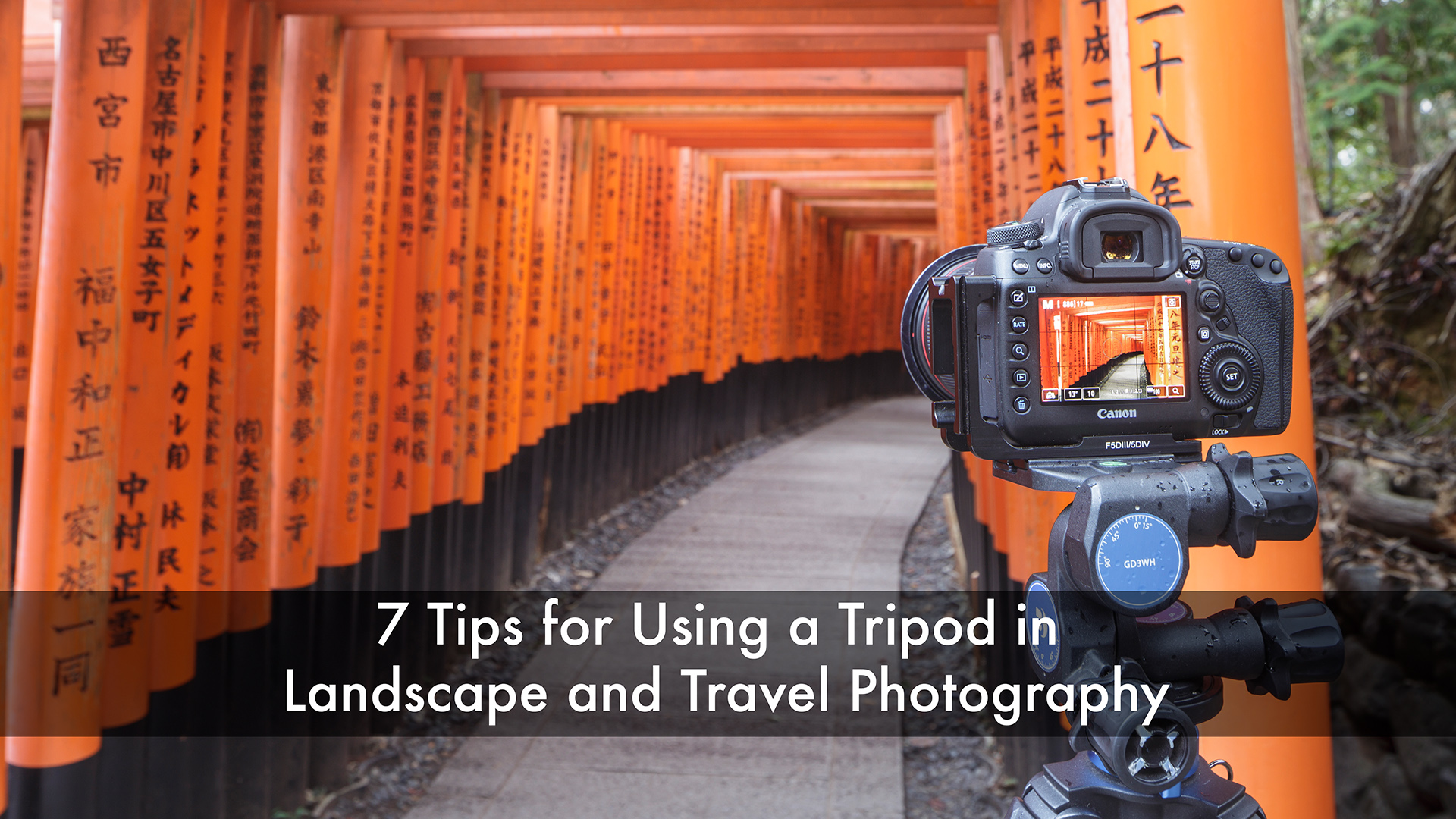
I had also changed tripod systems. I was using Benro tripods and heads, and there was a clear reason for that. Benro France had asked me to become their first ambassador, which was exciting, but I was only happy to talk about the gear because it worked for me in the field.
The head I was using was the Benro GD3WH, which felt similar in spirit to the Manfrotto 410 I had used before. The big advantage for me was the Arca-Swiss plate system. That made it easier to switch the camera into portrait format without awkward adjustments, and it also helped when shooting panoramas.
The tripod itself was a Benro TMA38CL. Out in the mountains, that balance of low weight and decent stability matters a lot. I don’t want to carry unnecessary bulk, but I also don’t want a flimsy support when the wind picks up or the ground turns rough.
I felt comfortable recommending that kit because it matched the work. Travel photography asks a lot from a tripod. It needs to be portable, dependable, and simple to use when the light is changing fast. This one met those needs.
I went back to Lago di Misurina that evening, hoping the sky would finally give me something more colourful. When I arrived, it looked possible. The cloud had started to break, and there was at least a chance of a decent sunset.
Then it closed up again.
That summed up much of the trip. I had enjoyed a strong morning, and there had been good moments elsewhere, but the weather kept shutting the door just as it looked ready to open. I stayed anyway, made a few exposures, and waited for the shutter speeds to stretch out to around 15 to 30 seconds, so I could pull a bit of movement into the cloud.
Those longer exposures gave me something to work with, even if the sunset itself never really appeared. The evening was disappointing, but it also reinforced something I think matters in mountain photography. You don’t always get the reward you hoped for, even when you do everything right. You still have to stay, keep working, and take what the conditions are willing to give you.
The next day, I was due to move from the Brunico area down to Ortisei, so this was the end of the first part of the trip. It hadn’t been easy, but it had been useful, and that can be enough.
This week in the mountains reminded me that the Dolomites’ autumn photography is rarely straightforward. Roads get blocked, lakes flood, cloud refuses to cooperate, and the image in my mind often stays out of reach.
Still, that’s part of why I keep going back. When the weather shifts, when the colour lights up, or when a difficult morning finally comes together, the reward feels earned. The mountains don’t hand anything over for free, and I think the photographs are better because of that.
We noticed you're visiting from United Kingdom (UK). We've updated our prices to Pound sterling for your shopping convenience. Use Euro instead. Dismiss