
 Skip to content
Pay full price now or a €300 deposit with the balance payable 8 weeks before the workshop start date.
8 – 20 November 2026
Last place!
Max 6
13 days
Low to Medium
Various in Tokyo; Kyoto; Osaka
We'll meet at our hotel in Tokyo.
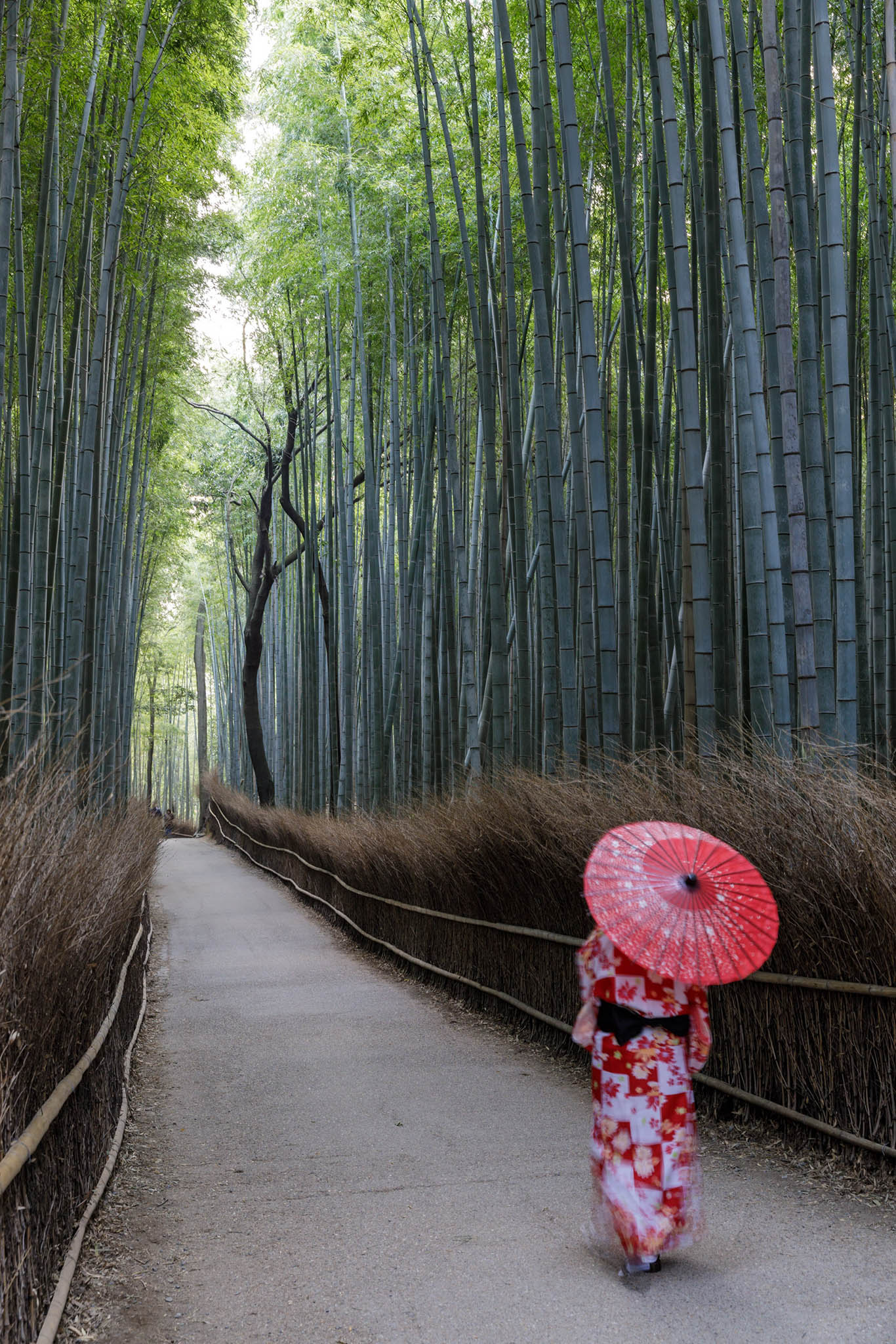
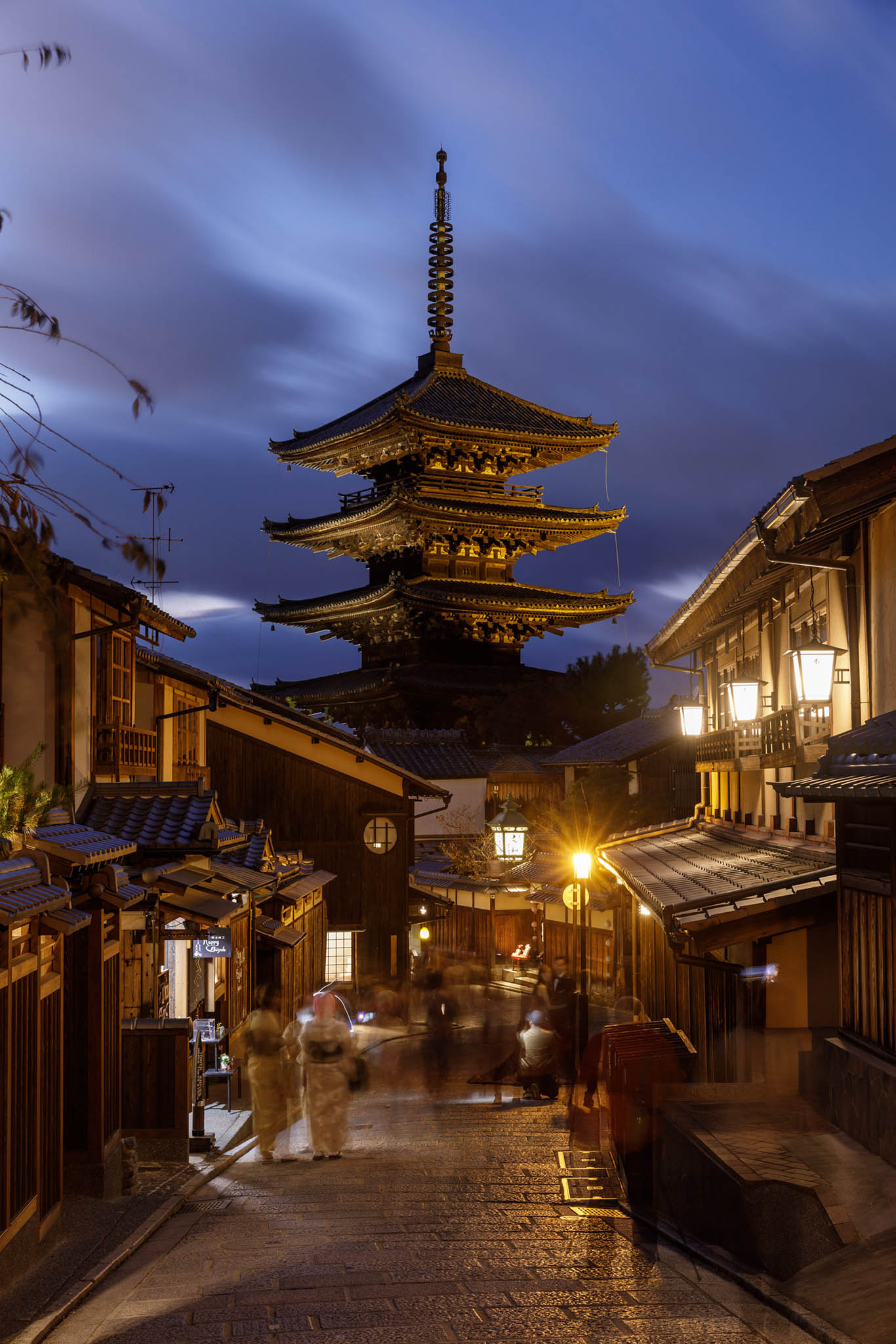
Join me in the autumn of 2026 for a photography tour of Japan with its beautiful autumn colours as well as its futuristic cityscapes.
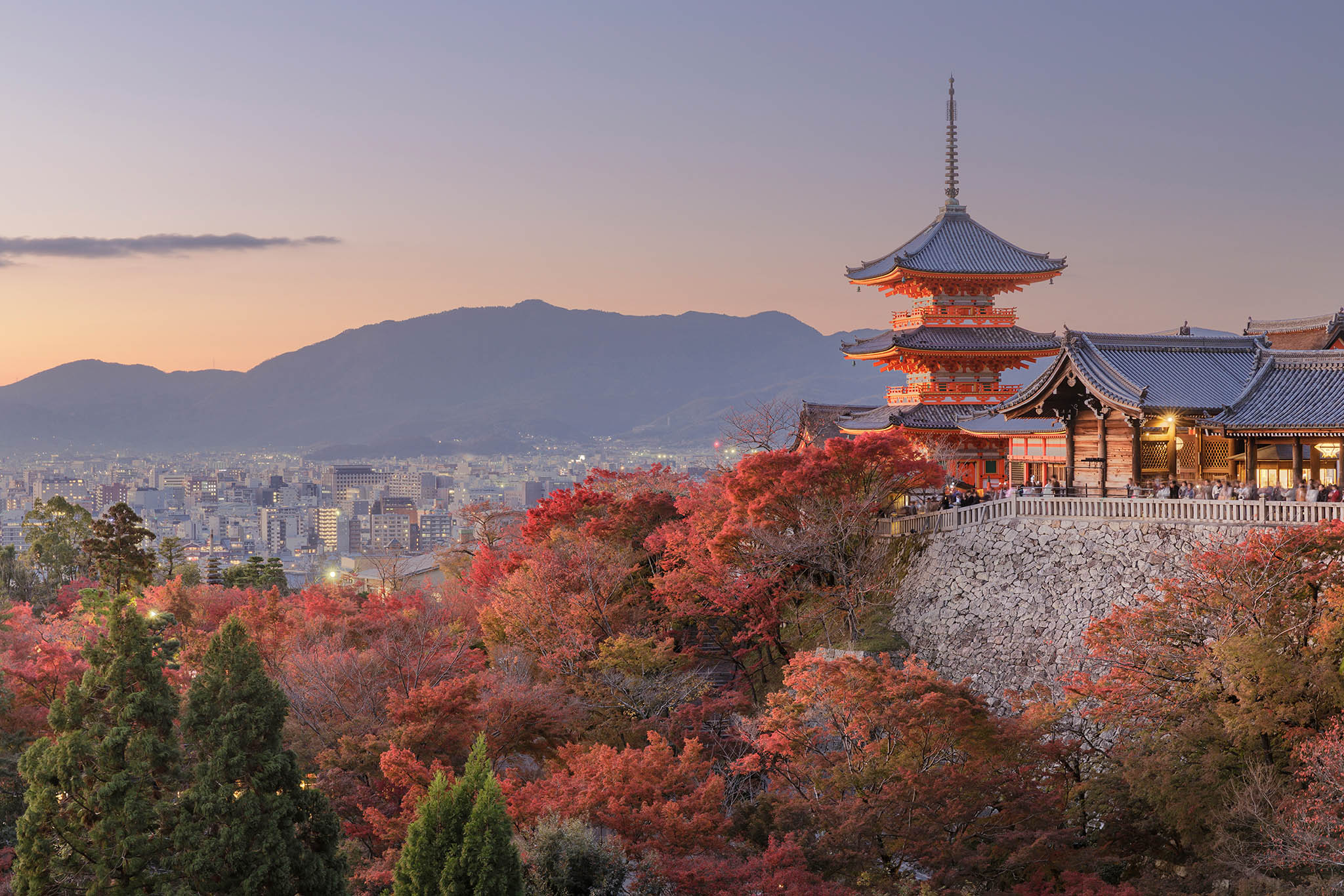
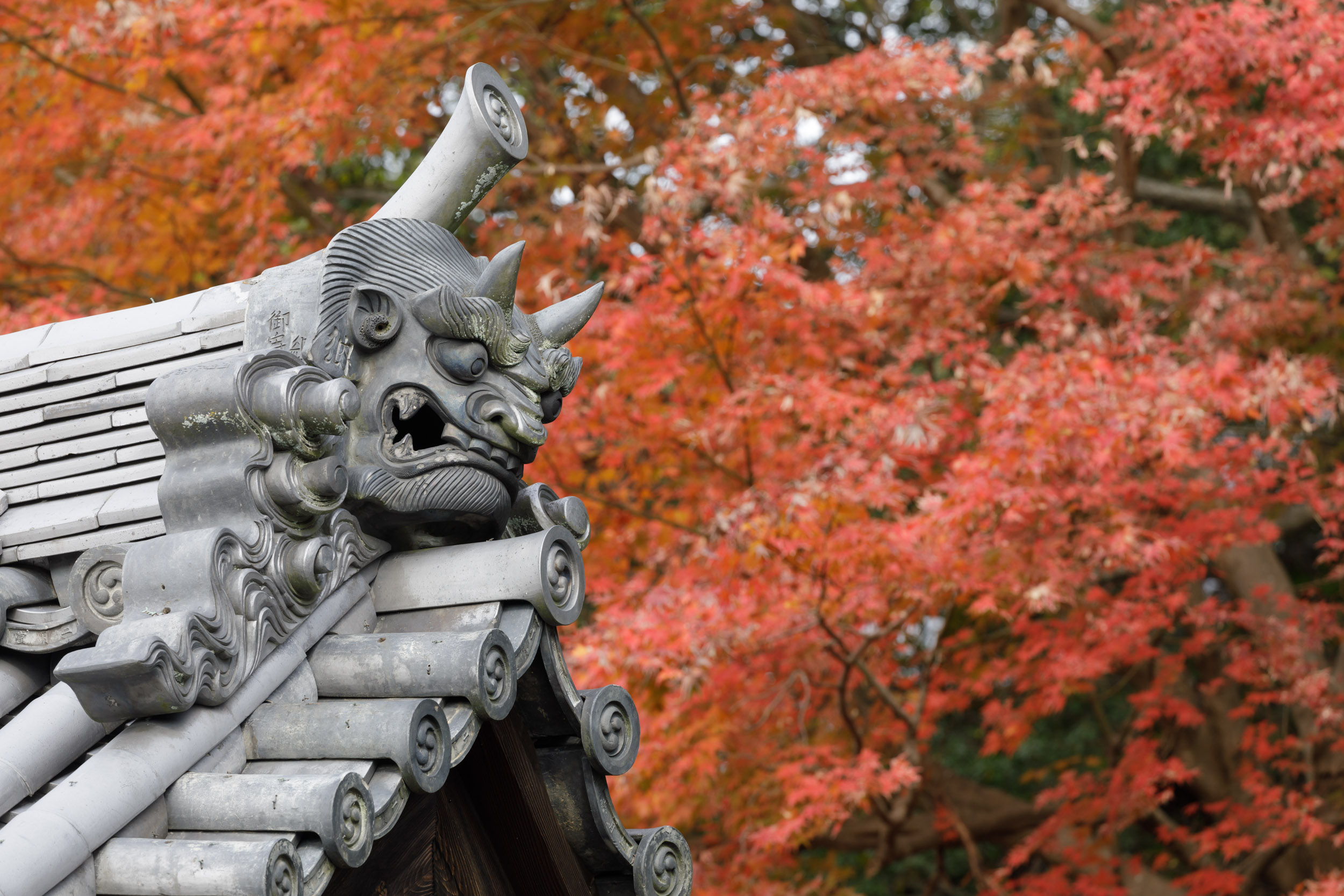
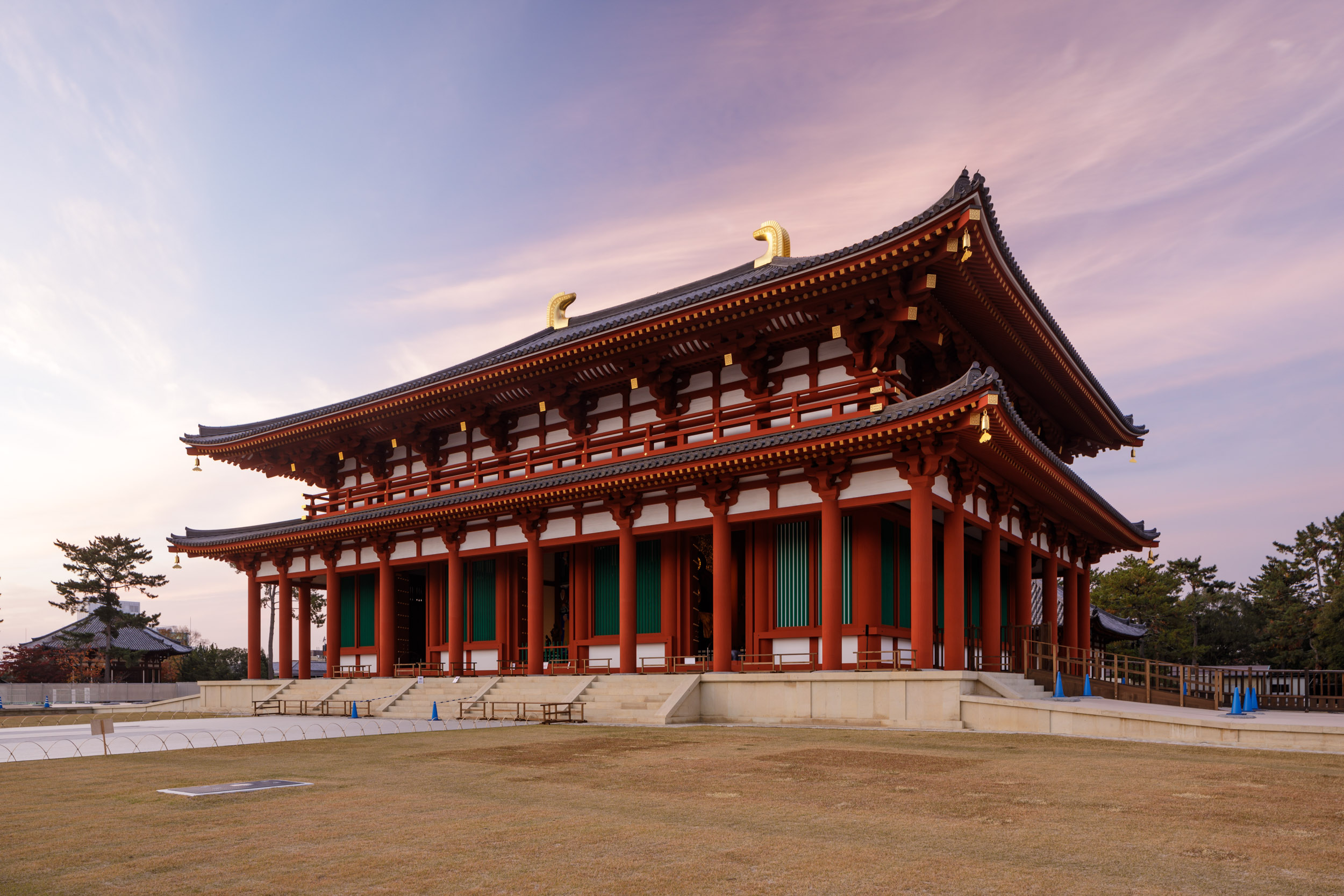
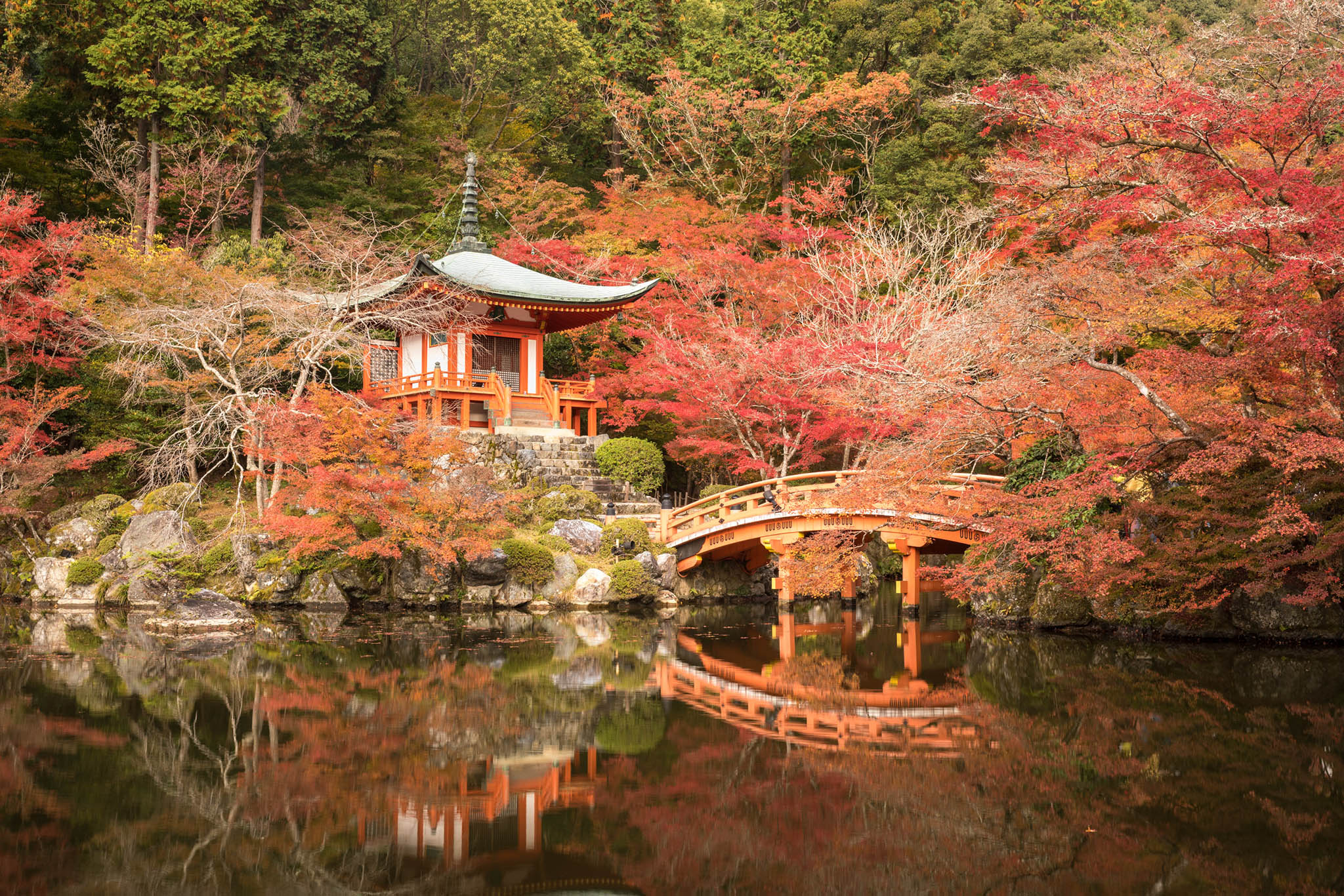
During the autumn months in November, the vibrant fall colours start to come into full effect and this is especially so in places such as Kyoto. This UNESCO World Heritage Site is just one of the places which make the perfect backdrop for our photography tour.
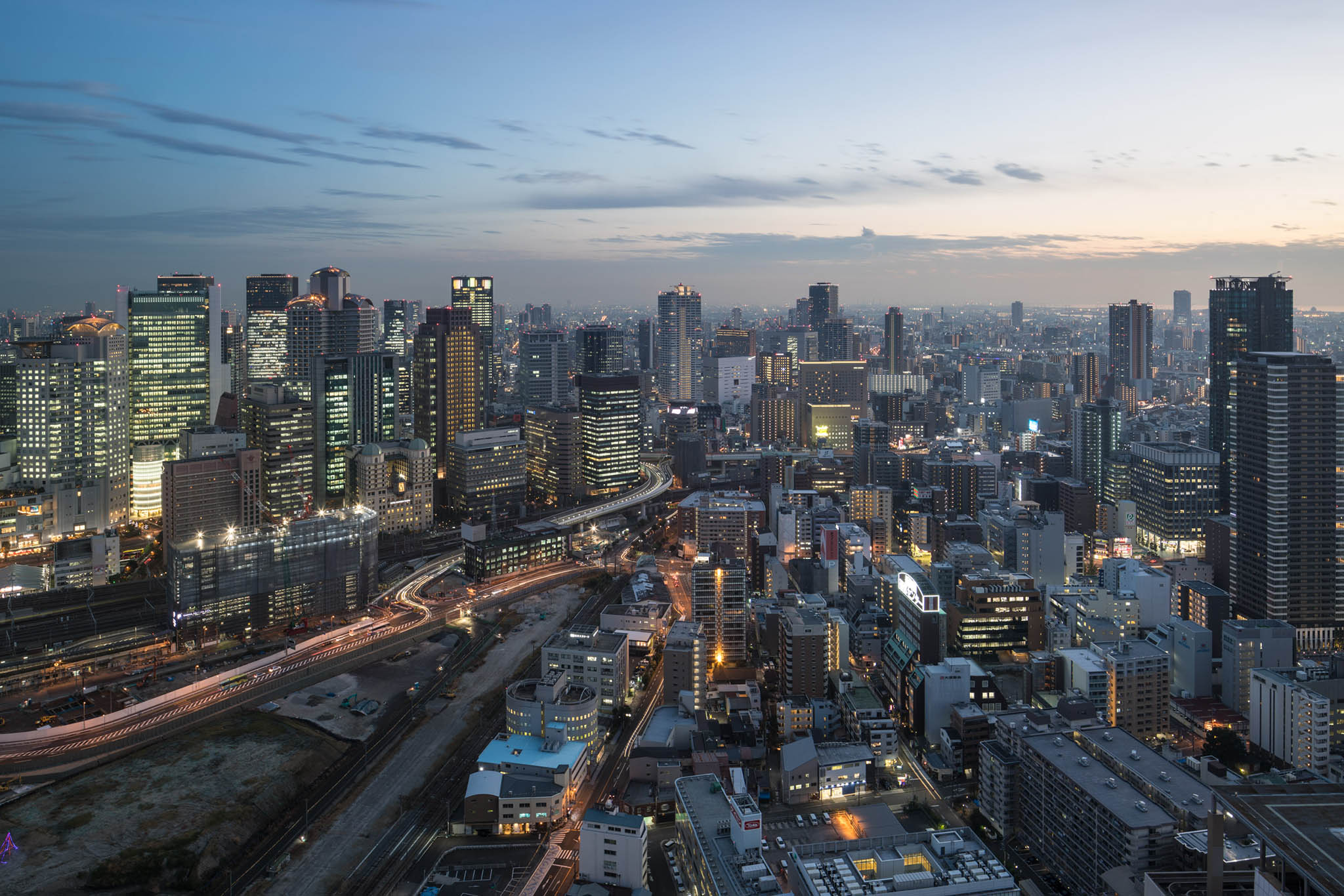
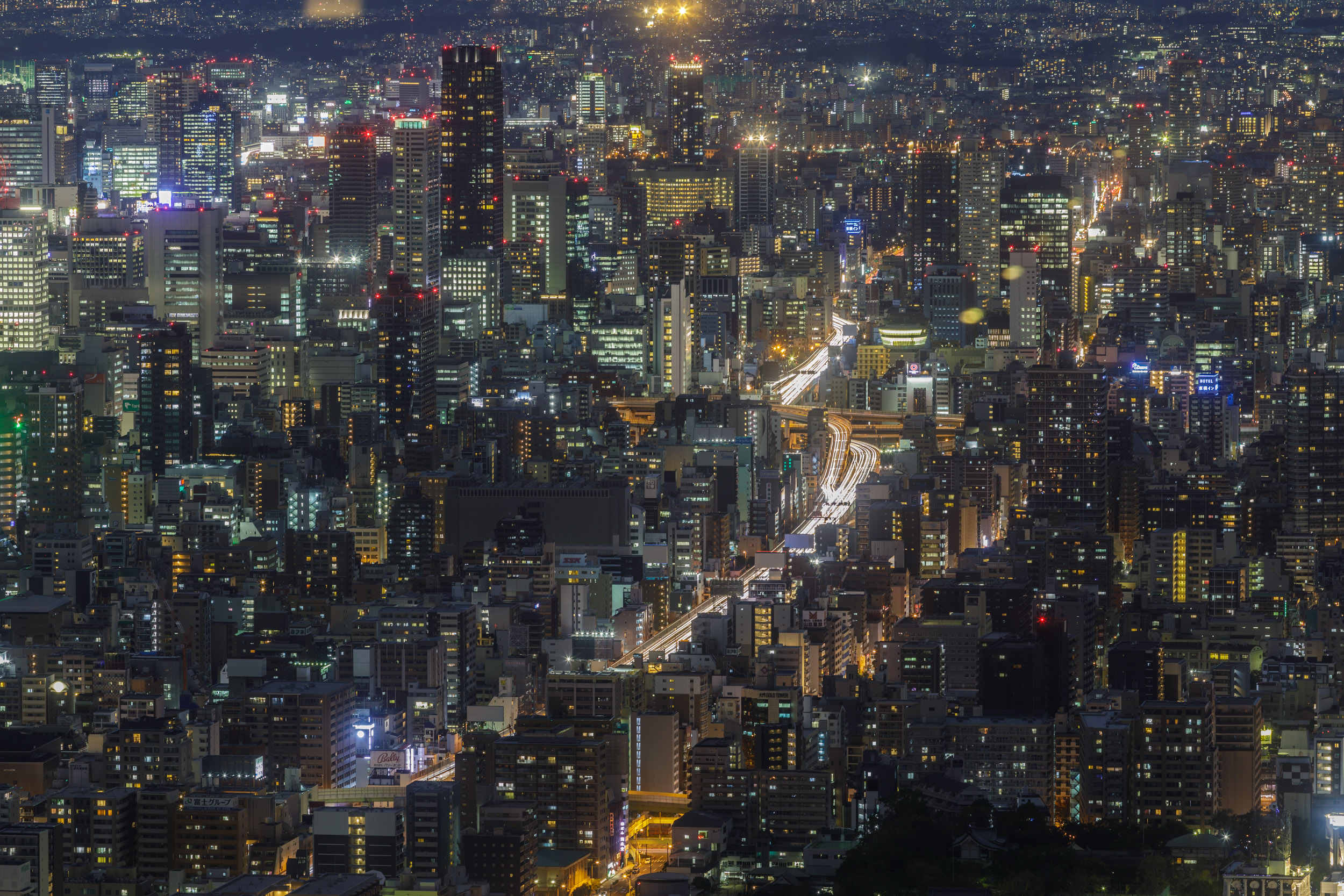
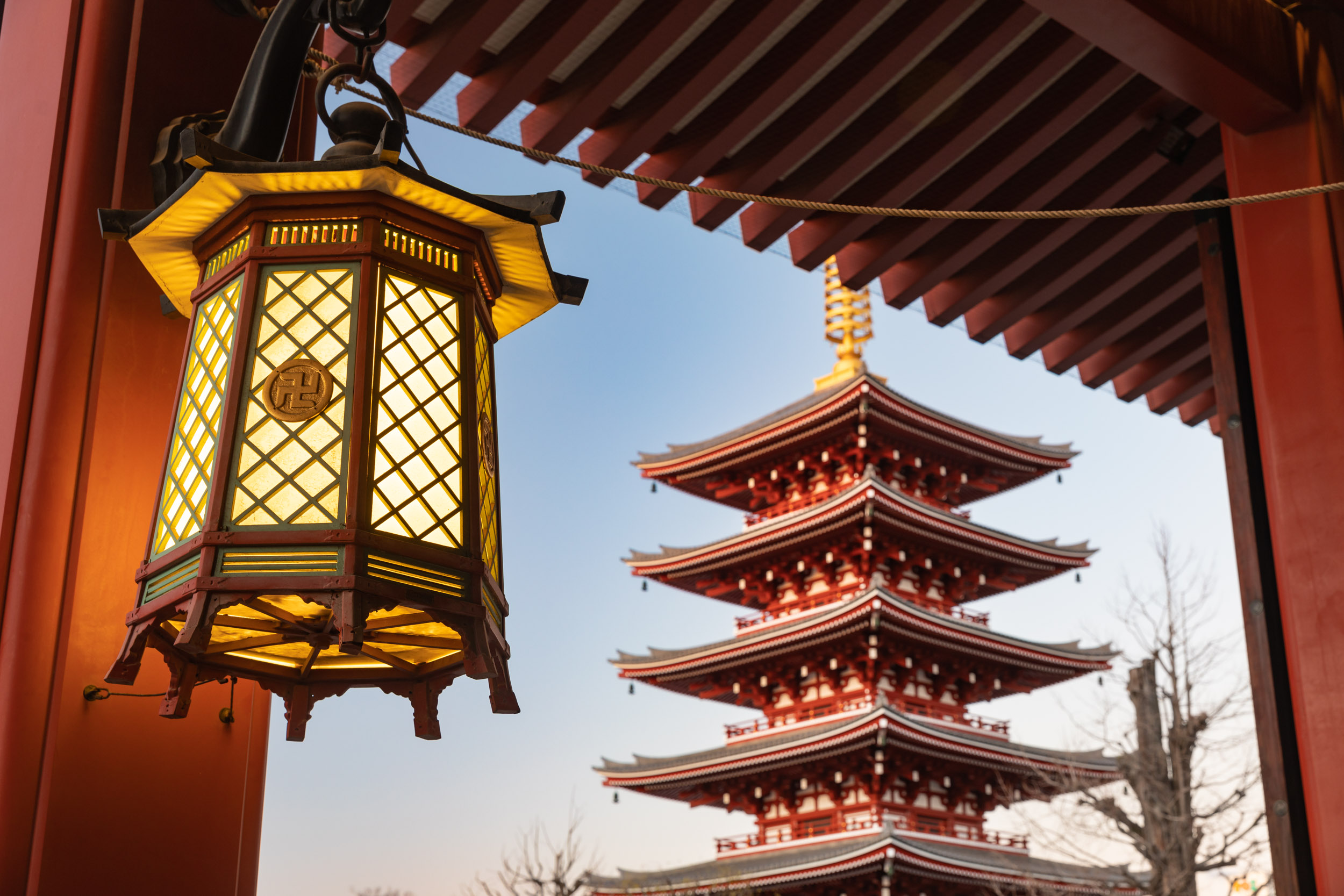
But it’s not all masses of reds and oranges, the Japan photography tour will be taking in the awesome Blade Runner-like cityscapes of Tokyo and Osaka. Tokyo is one of the World’s biggest cities and no photography tour to Japan would be complete without exploring some of its futuristic districts as well as some of its more traditional temples.
The Japan photo tour is based in various locations. We’ll start in Tokyo where we’ll spend 3 nights. From here we’ll head over to the iconic Mount Fuji. Heading across Japan we’ll take in some of the more out of the ways places before arriving into Kyoto and then finally ending in Osaka.
We will spend seeking out both the traditional and newer side of Japan.
Arrival in Tokyo
From your arrival in Tokyo Haneda (HND) or Narita (NRT), make your way to the hotel and meet the group just after check-in time.
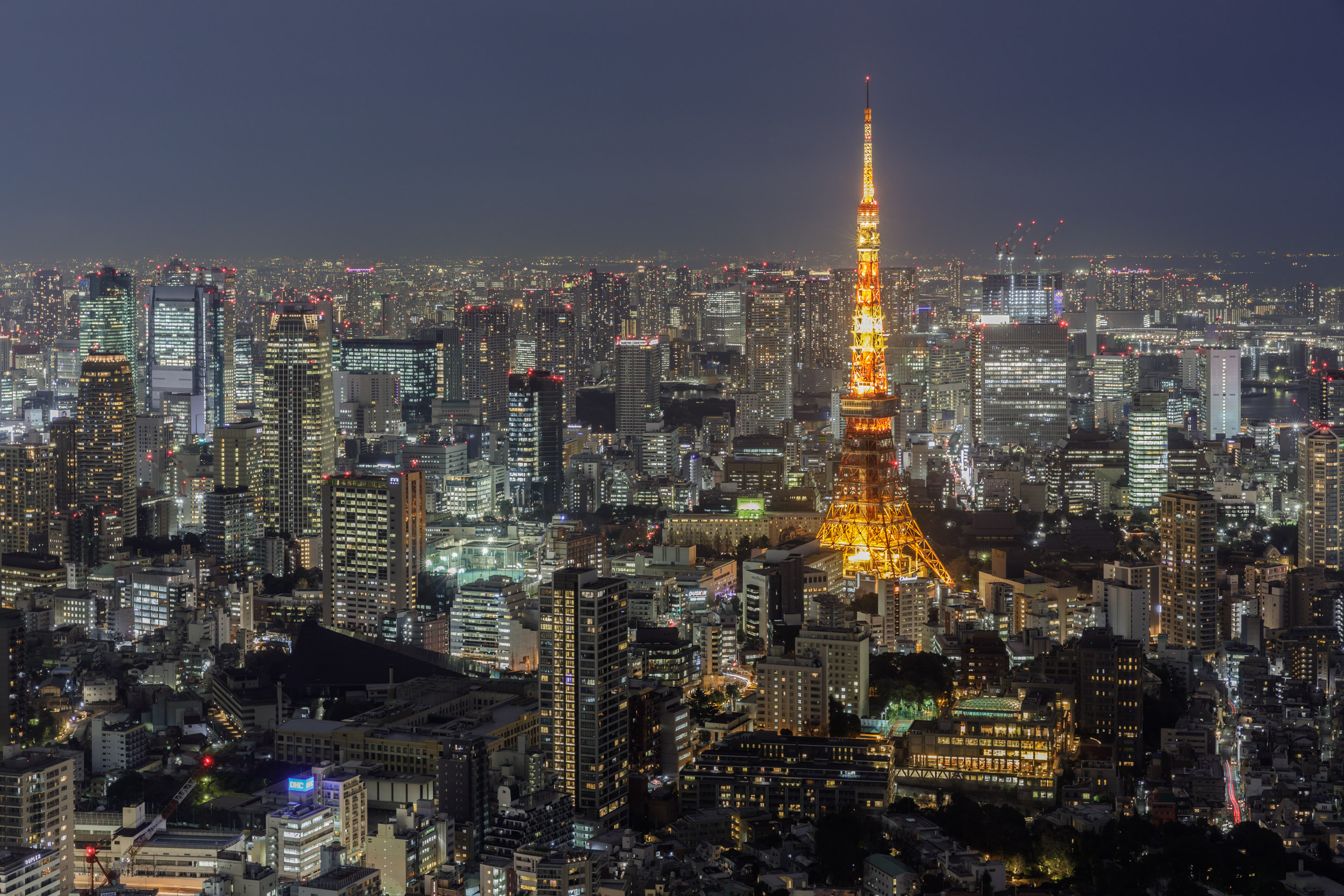
After a quick orientation meeting, we’ll head out into the cityscape of Tokyo and take in an observatory so we can watch the sunset over this stunning megapolis.
*If you require help getting into central Tokyo, please contact me

Tokyo city
We’ll be up early to catch sunrise at a chosen spot in Tokyo. After our shoot, we’ll head back to the hotel for breakfast, then head out again.
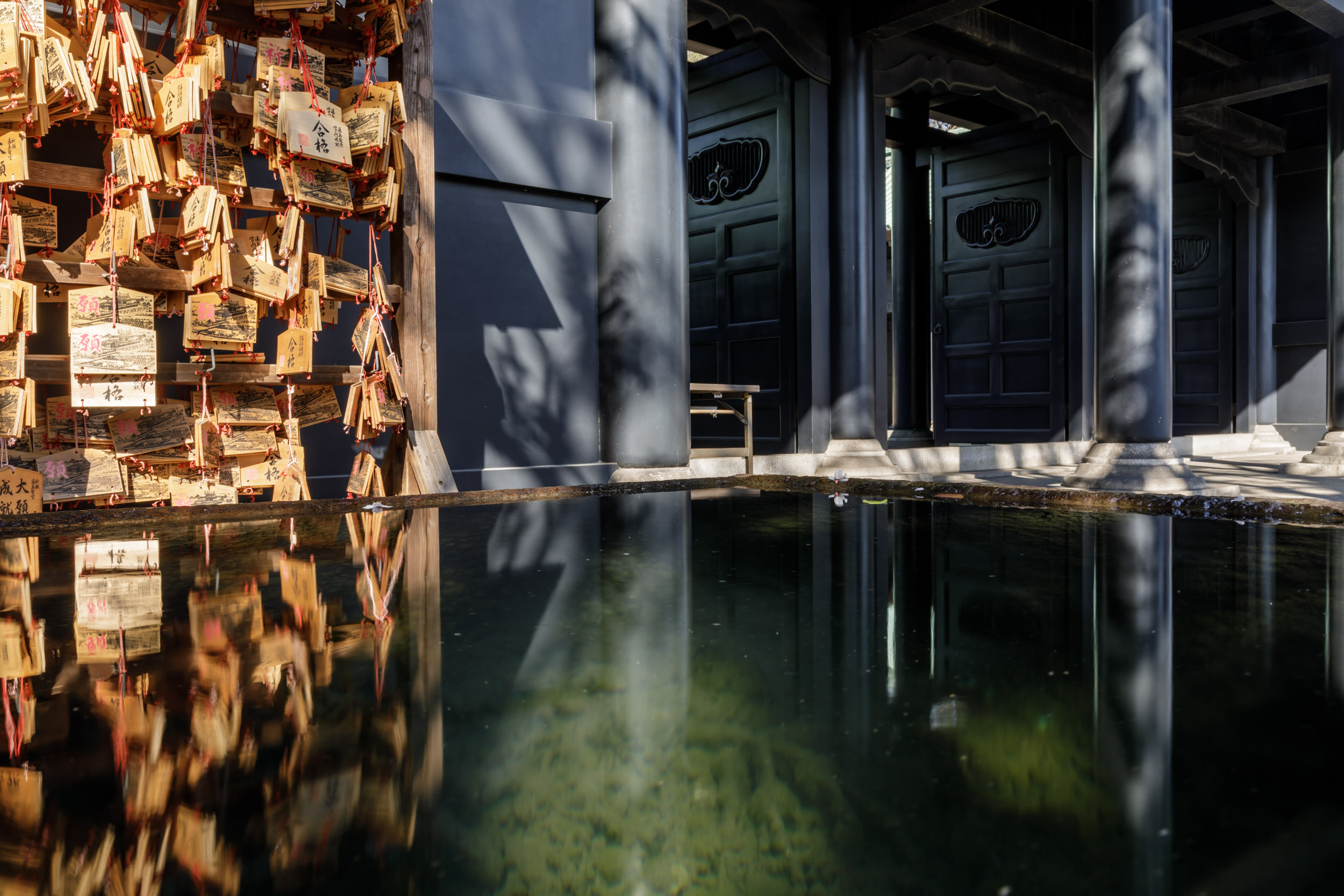
Tokyo is a city that has a multitude of sites so every year I’ll be taking the group to somewhere different. But expect some of the cultural side of this amazing city as well as the neon-lit street scenes.

Goodbye Tokyo | Hello Mount Fuji
Our last morning in Tokyo will see us catch the sunrise across the city. We’ll take taxis to get us to our destination as the metro won’t be fully operating yet.
After breakfast, we’ll check out, and our driver will pick us up, where we’ll head to Fujikaguchiko to discover the Fuji Five Lakes area.

Fuji Five Lakes
We have a whole day to discover the Fuji Five Lakes area. One of the main attractions here is the world-famous Chureito Pagoda, which is high on our itinerary.
With sunrise over, we’ll have an extended break before heading out again to discover more of the surrounding area.
On the western side of Mount Fuji, we’ll take some time to capture the stunning Shiraito Falls before heading back to Kawaguchiko.

Sayonara Fuji | Kiso Valley
We have the opportunity to catch one more sunrise in Fuji Five Lakes before checking out of our accommodation.
The shores of Lake Kawaguchiko offer an unrivalled view to Fuji-San and with luck on our side, we’ll have a stunning sunrise to train our lenses on.
Our drive to the Kiso Valley will take us up through Matsumoto, where we’ll take some time to photograph the stunning castle before headed down the Kiso Valley.

Kiso Valley | Takayama
An early morning start sees us capture the stunning post town of Magome. We’re here early to beat the crowds, then it’s back for breakfast.
Our journey today will take us northwards to Takayama. On the way, we’ll discover a truly stunning waterfall. What’s the name of it? I won’t reveal this until we are on our way. It seems to be very much an undiscovered place, and with the over-tourism that Japan is experiencing, I’d prefer it’s kept quiet.
Arriving in Takayama, we’ll check into our hotel before heading out and capturing this beautiful Edo-era town.

Takayama | Katsuyama
Our sunrise shoot will see us discover a beautiful temple and shrine before breakfast beckons.
Checking out of our hotel, we’ll head west towards Katsuyama.
Our stay in Fukui prefecture will see us take in the stunning Echizen Daibutsu temple as well as the nearby Katsuyama Castle Museum. We’ll be shooting the museum from the outside, hopefully with a fiery sunset.

Katsuyama | Lake Biwa
Depending on conditions and people’s fitness, we’ll look to capture the morning mist over the Sky Castle.
Checking out, we’ll head towards Lake Biwa, which is the world’s second-oldest lake.
On the shores of Biwa-ko, we’ll discover stunning shrines and temples which are less frequented by the mass of visitors that Kyoto receives.

Lake Biwa | Kyoto
We have an early morning start to catch sunrise across a stunning torii gate sat on the edge of Lake Biwa.
Breakfast will be at the 7-11 next to the shrine, and we’ll head off to capture a small but beautiful temple at the water’s edge.
A short drive south will see us arrive in the former capital of Japan, Kyoto!
We’ll spend the rest of the day taking in some of the stunning UNESCO heritage sites in the city.

Kyoto
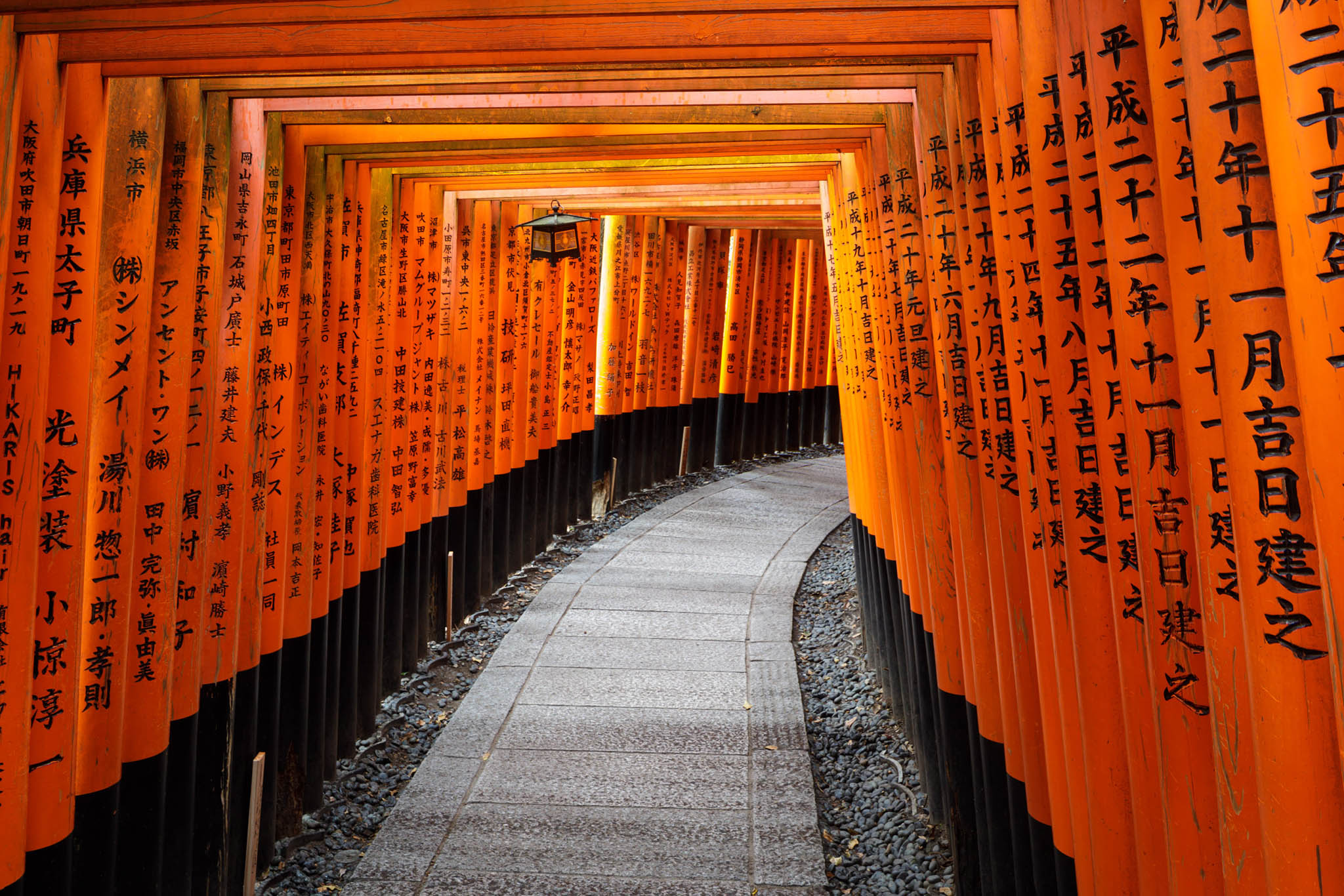
Rising before sunrise, we’ll be up early to catch the stunning Fushimi Inari Taisha temple and its mesmerising endless rows of torii gates.
After breakfast, we’ll have a break before heading out to lunch and to take in more of the city of Kyoto with its 1000s of temples and shrines.

Kyoto | Osaka
We have one last sunrise opportunity in Kyoto. Early risers will get to see the streets of Gion as it wakes up then it’s off to a surprise temple.
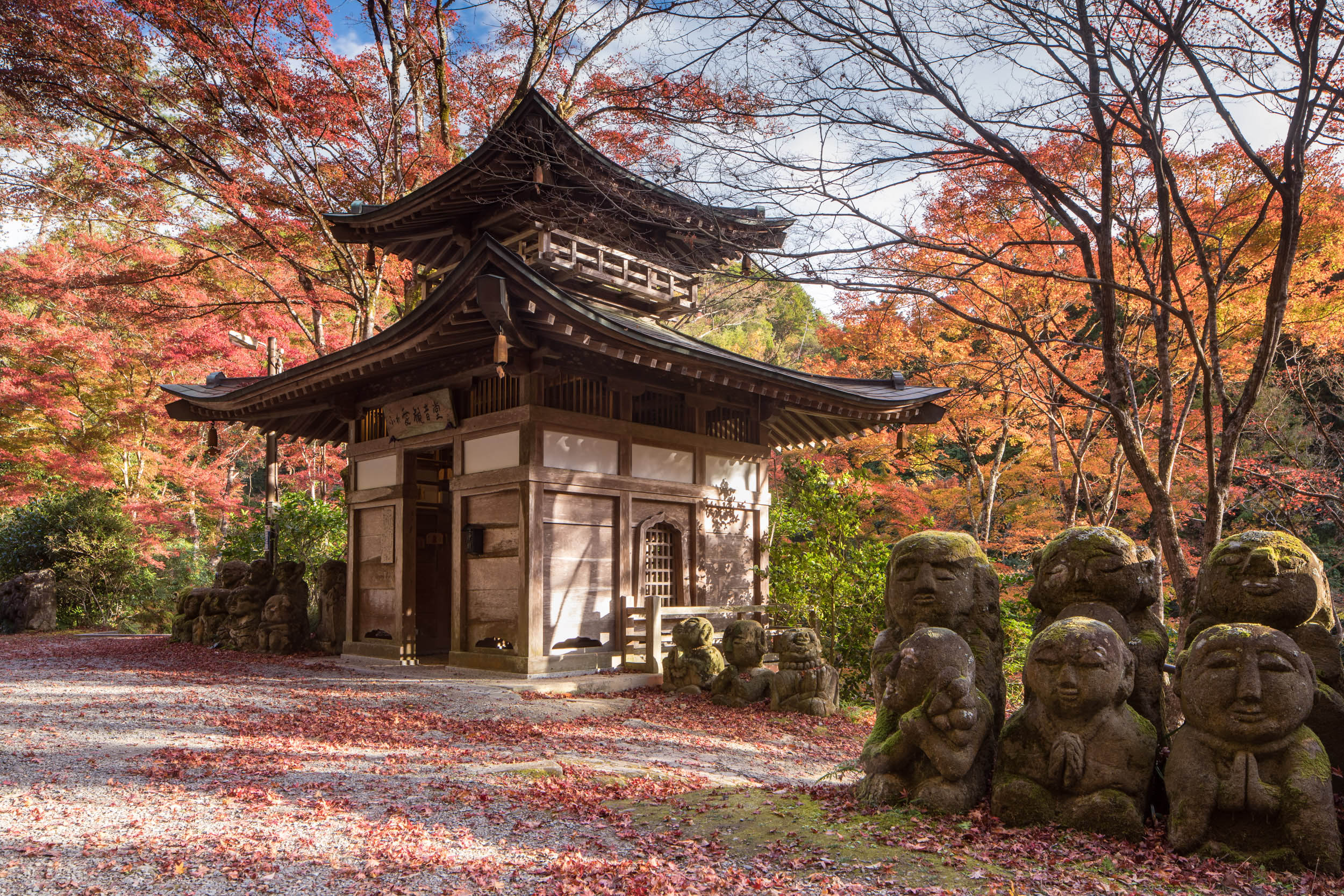
In 2025, I visited a beautiful temple in northern Kyoto. They liked my work so much that they agreed to let the group in before they opened to the public. I will endeavour to do the same for my participants this year.
We check out of our hotel and head to Japan’s second-largest city. On the way, we’ll stop in at a special location before arriving at our final accommodation.

Osaka
Our photo tour adventure across Japan is nearly at an end, but there are a few more chances to capture this captivating country.
Osaka is Japan’s second-largest city, and we’ll look to capture the more modern side of the city, leaving behind the temples and shrines of the last few days. However, we will look to photograph the beautiful Osaka-Jo castle at sunrise.
Our final evening in the city will see us capture the cityscape from a unique vantage point. We have the opportunity to have a farewell dinner together as the city lights take over from the fading sunset.

Farewell to Japan
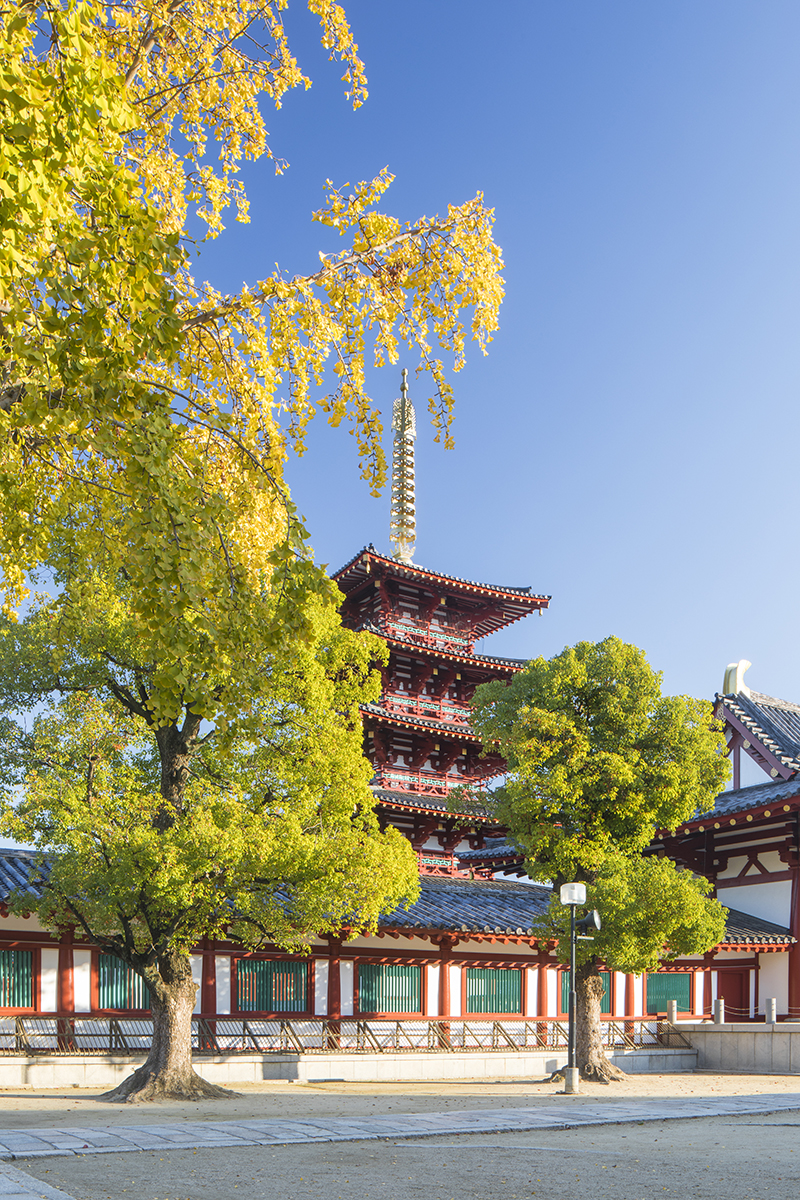
Depending on participants’ travel schedules, we’ll head out for one more sunrise shoot. This time, we’ll head to Shitennoji Temple to see the temple as the sun illuminates the morning sky.
After breakfast, it’s check-out time, and participants head their own way back home.
If you have a flight from Osaka, depending on the time, then we may be able to drop you off at the airport. Otherwise, you are welcome to join us for the ride back to Tokyo, where we arrive in the early evening.

I’m here as a professional landscape and travel photographer to help you get the best from the Japan photo tour. You can expect:
The two inevitable questions before any photography tour are “what camera gear do I bring and what clothing?”
Camera Gear
Clothing
We will all meet at our hotel in central Tokyo. If you need help getting from the airport to the hotel, then please contact me.
Yes, it can be chilly in the mornings and evenings, but be prepared for warm days as well as the odd rain shower.
Make sure to bring comfortable clothing. You will need a fleece for dawn/ evening shoots.
Comfortable walking shoes are ideal for both walking around the ancient temples as well as the city.
It can be crowded in the autumn photo hotspots of Japan, such as Kyoto, but this is mainly evident during the daytime.
Early in the morning, you find that most people aren’t walking around yet, and we will concentrate our efforts on getting to the major places at the optimum time. That’s not to say we won’t see people or other photographers, so please be aware of this and have due patience.
Although not essential, it’s a great idea to bring a laptop computer with you so you can discuss imagery with me.
I try and make a point of helping those who need it in digital photography. If inclement weather or tiredness takes hold, it can help to have a computer session to assess our progress.
What’s included in the tour?
4-star or 3-star hotel accommodation in double rooms on a single-occupancy basis (no single supplement) with private ensuite bathrooms. Depending on the area, it may not always be possible to get 4-star hotels. The hotels will still be comfortable and clean.
All meals from dinner on Sunday night to breakfast on the departure day.
Ground transportation in private air-conditioned vehicles for listed activities
Public transport taxis during the Tokyo part of the tour (Suica card for metro, etc).
Site entry fees (if applicable)
Tuition from Julian Elliott
What’s not included
International flights to and from Japan
Airport taxes
Entry visa, if required, to Japan
Early/ late check in/ out service at hotels
Travel insurance and trip cancellation (highly advised)
Medical expenses
Extra drinks or alcohol during lunch & dinner
Personal expenses such as telephone charges, laundry etc
Tips and gratuities for drivers, guides and hotel porters
Services and transportation are for listed activities only
Charges will be applied for any additional requests
All other services which are not mentioned in the Inclusion section
My tours fill up quickly but sometimes spots open up due to cancellations.
If the tour you are interested in is currently full and you would like to be added to the waiting list then please fill out this form
We noticed you're visiting from United Kingdom (UK). We've updated our prices to Pound sterling for your shopping convenience. Use Euro instead. Dismiss